
Choosing the Right Camera for Your Content
When it comes to creating engaging content on platforms such as YouTube and Instagram, selecting the right camera is paramount to achieving high-quality visuals. There are several types of cameras available, each with its own set of advantages and drawbacks. Understanding these can significantly influence your content creation strategy.
DSLR Cameras
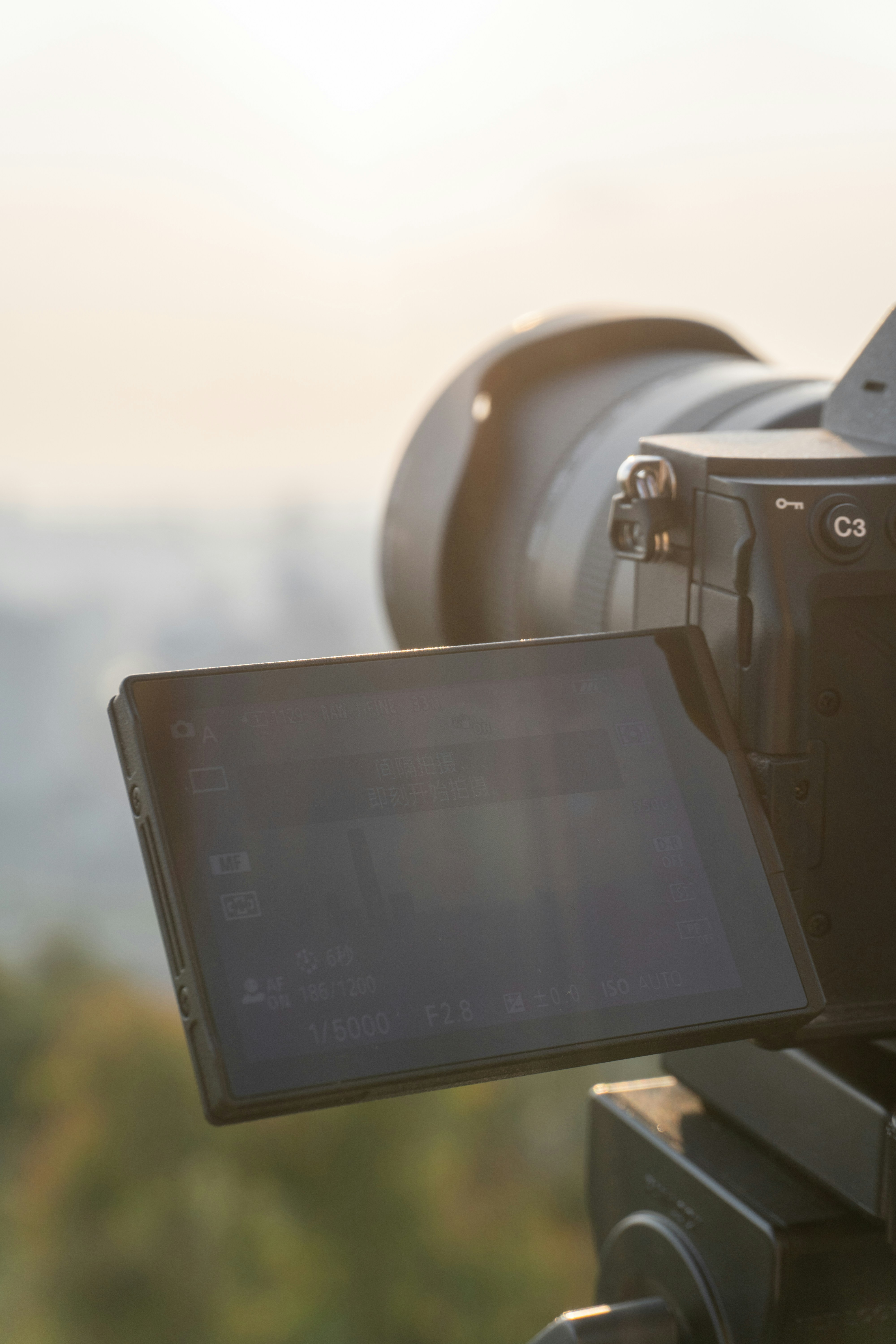
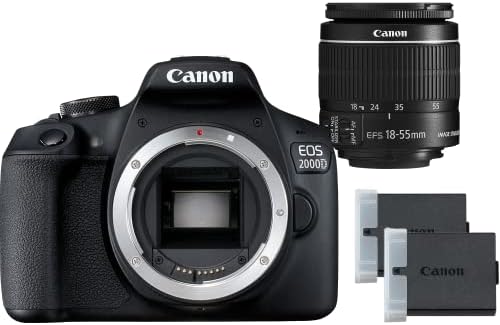
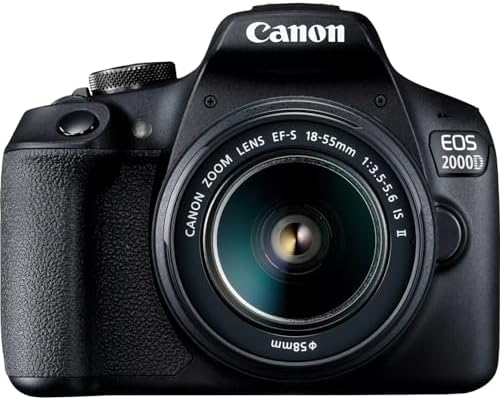
Digital Single-Lens Reflex (DSLR) cameras are popular among content creators due to their versatility and exceptional image quality. They typically feature larger sensors, which contribute to better performance in low-light conditions and overall image clarity. However, DSLRs are generally bulkier and heavier, which may not be ideal for on-the-go shooting.
Mirrorless Cameras
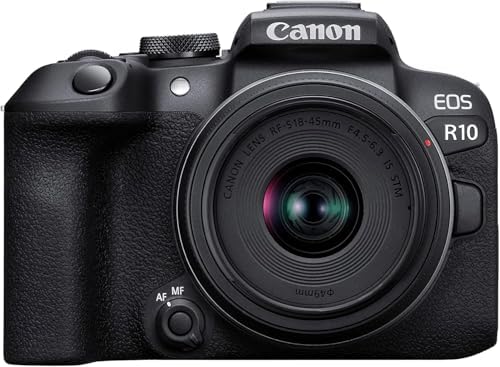
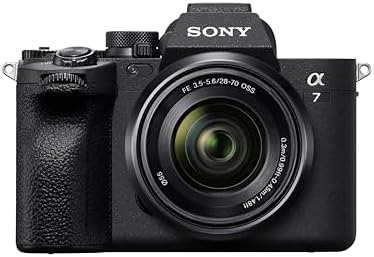
Mirrorless cameras have gained traction in recent years, largely because of their compact design and lightweight nature. These cameras retain advanced features similar to DSLRs while eliminating the mirror mechanism, making them more portable. They offer excellent video quality and interchangeable lenses; however, battery life can sometimes be an issue compared to DSLRs.



Compact Cameras
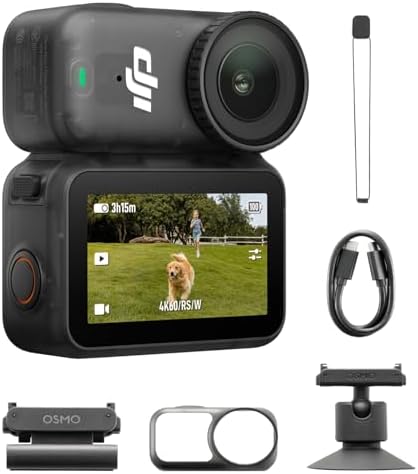
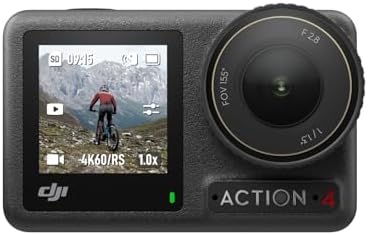
For those seeking simplicity without compromising quality, compact cameras are an attractive option. These cameras are user-friendly and highly portable, making them ideal for vlogging or capturing spontaneous moments. While they may not match the video quality of DSLRs or mirrorless options, advances in technology have greatly improved their performance.
When navigating the camera market, price is an important consideration. DSLRs and mirrorless models can range from entry-level to professional-grade, requiring a clear understanding of your content needs and budget. Whether you opt for a DSLR, mirrorless, or compact camera, consider factors such as video quality, ease of use, and portability to help tailor your selection to your specific content creation goals.



Essential Camera Settings for Stunning Videos
Achieving high-quality video content on platforms such as YouTube and Instagram requires a thorough understanding of essential camera settings. The four fundamental settings to consider are resolution, frame rate, shutter speed, and ISO. Each of these settings plays a crucial role in the final quality of the video.
Starting with resolution, it is vital to choose the appropriate outcome for your content. Common resolutions include 1080p (Full HD) and 4K (Ultra HD), with the latter providing greater detail, especially for larger screens. High-resolution videos are often preferred for gaming, tutorials, and high-production value content. However, be mindful that higher resolutions may require better hardware and longer processing times.
Frame rate, measured in frames per second (FPS), directly influences how smooth the video appears. Common frame rates are 24, 30, and 60 FPS. A frame rate of 24 FPS is recommended for a cinematic look, while 60 FPS is ideal for fast-moving action, providing seamless motion. When filming, consider the ambient light and action speed, adjusting the frame rate accordingly.
Shutter speed is another critical aspect; it should generally be set at double your frame rate to create natural motion blur. For instance, use a shutter speed of 1/50 for 24 FPS video. This balance captures motion fluidly while maintaining clarity. Lastly, ISO determines your sensor’s sensitivity to light, impacting your footage in low-light conditions. A lower ISO is preferred for well-lit environments, while a higher ISO may be necessary indoors or in dim lighting. However, high ISO settings can introduce noise, diminishing video quality.
Bear in mind that filming environments affect these settings significantly. Indoor settings often require slower shutter speeds and higher ISO to accommodate lighting constraints. Conversely, outdoor settings benefit from faster shutter speeds to capture the vibrancy of natural light. Understanding and adjusting these essential camera settings will greatly enhance your video’s overall look and feel, leading to more engaging content.
Tips and Tricks for Capturing Engaging Content
Creating engaging content for platforms such as YouTube and Instagram requires a combination of technical skills and creative storytelling. To enhance video production, it is vital to master aspects such as framing and composition, lighting techniques, sound management, and efficient editing shortcuts.
Good framing and composition set the foundation of any visually appealing video. Consider using the rule of thirds, which involves dividing your shot into a 3×3 grid and positioning your subject along the intersections. This method not only draws attention but also creates a balanced composition. Moreover, diverse angles can instill a sense of dynamism, so don’t hesitate to experiment with different perspectives to enrich your content.
Lighting is another critical aspect that significantly impacts the quality of your videos. Natural light is often the best option; however, artificial lighting can be effectively utilized to enhance indoor settings. Employ soft lighting to minimize harsh shadows and create an inviting atmosphere. Properly illuminating your subject will ensure clarity and contribute to a professional look in your content.



Incorporating sound and music effectively is also essential in captivating your audience. A well-selected soundtrack can elevate the emotional weight of a video, guiding your audience through its narrative. Additionally, consider using sound effects to accentuate important moments, ensuring that audio quality remains high. Investing in a good microphone can significantly improve sound clarity, which is crucial for viewer retention.
Editing is an art in itself; utilizing shortcuts can streamline the process and allow for greater creativity during post-production. Familiarizing yourself with keyboard shortcuts for your editing software can reduce the time spent on mundane tasks, allowing you to focus on refining your storytelling. Engaging content often tells a story, and structuring your edits to maintain a coherent narrative can keep viewers interested and returning for more.
Finally, an effective strategy to stand out on YouTube and Instagram is fostering audience engagement. Involving your audience through calls to action, questions, or interactive elements can create a sense of community, making viewers feel more connected to your content. Proper integration of these tips will enhance your video quality and increase your potential reach.
Pros and Cons of Utilizing Advanced Camera Features
In the realm of content creation for platforms like YouTube and Instagram, utilizing advanced camera features can significantly enhance the quality of your videos and images. However, this approach also comes with its share of challenges. Understanding these pros and cons can help creators make informed decisions about their equipment and overall production strategy.
One notable advantage of advanced camera features, such as stabilization tools, is the ability to produce smooth and professional-looking footage. These tools, which include gimbals and in-body stabilization, help eliminate shaky shots, thereby enhancing visual consistency. Additionally, the use of external microphones improves audio quality, allowing for clearer sound that engages viewers much more effectively than built-in camera mics. Lenses with varying focal lengths provide versatility, enabling creators to capture wide shots or close-ups based on content needs.
However, these benefits are accompanied by potential drawbacks. The cost of high-quality equipment can be substantial; investing in advanced features often requires a significant financial commitment that may not be feasible for every creator. Moreover, the complexity of using such equipment can lead to a steeper learning curve, which might be overwhelming for beginners. Additionally, carrying multiple lenses and stabilization gear can add weight and bulk to one’s setup, making it less convenient during shoots.
Given these considerations, it is crucial for content creators to evaluate the necessity of advanced camera features against their specific goals. For some, the investment may be highly beneficial if it aligns with a desire for polished, high-quality content. Others may find that simpler equipment adequately meets their needs, especially if they are just starting. Ultimately, balancing the pros and cons is essential for developing an effective content strategy that resonates with audiences.